Uncategorized

What is a Hydrafacial treatment and is it right for you?

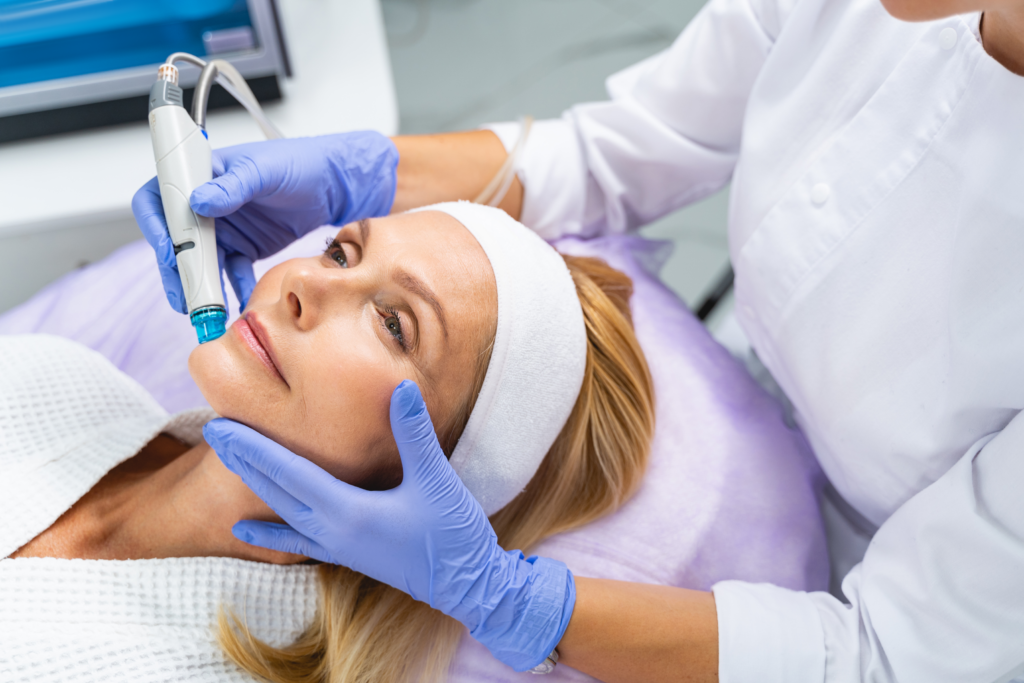
What is a Hydrafacial treatment and is it right for you? What is a Hydrafacial treatment and is it right for you?​ Hydrafacials are one of the most popular in-home dermatological treatments right now and for good reason. In fact, a Hydrafacial is being performed somewhere in the world about every 15 seconds, which is a good testament to their popularity. But why all the fuss over Hydrafacial treatments? Simple-they provide clearly visible skin refinement, involve little to no downtime post treatments, and are a fast, effective way to clean, brighten and tone skin. What exactly is a Hydrafacial treatment? Hydrafacials are a proprietary process using special equipment and techniques to cleanse, exfoliate, extract, and deliver a variety of rejuvenating serums. Patients report an almost instantaneous brightening and firming of their skin. When treated regularly, specific skin concerns like clogged pores, enlarged pores, skin aging, and other unique skin concerns can be treated safely, effectively, painlessly, and provide immediate results. Hydrafacials are similar to another facial treatment called microdermabrasion, because both removes the thicker, uneven outer layer of skin. Where microdermabrasion uses a mild abrasive to gently sand the skin, Hydrafacials use a combination of vacuum, water, and the infusion of enriching serums to achieve similar, and often better, results. What are the steps involved in a Hydrafacial treatment? There are three basic steps in getting a Hydrafacial treatment, which can last anywhere from 30 to 90 minutes with virtually no downtime post treatment. That’s why zhydrafacial treatments are often performed backstage on fashion models before they walk the runway. Step 1: Cleanse and peel. Hydrafacial treatment starts when the skin is resurfaced in a process that removes dead skin cells and unclog pores. The patented technology used in the Hydrafacial tip generates a fluid vortex over the skin to effectively and painlessly remove impurities and dead skin cells. Step 2: Extract and hydrate. In this third step is where the “magic” wand of the hydrafacial technology pulls built-up gunk out of the pores while it bathes the skin with topical moisturizers. Different moisturizers will be recommend by your Viso Juvé dermatologist based upon your particular skin type and concern. Step 3: Infuse and protect. This is the finishing step where your inner glowing skin is revealed. Intense moisturizers in the form of boosters or serums are used to reduce the appearance of fine lines, hyperpigmentation, dull skin, and enlarged pores. Your skin’s surface will appear shiny, glowing, and smoother than before the treatment. What Hydrafacial benefits can you expect? The company that manufactures Hydrafacial technology promises it will deliver the “best skin of your life.” Depending upon the active ingredients used in the final infuse and protect step, you can notice improved hydration, radiance, skin texture, skin tone, and even pore size. But remember, you can only get a Hydrafacial from a board certified dermatologist, so beware of say spas that claim to offer this service. When should you avoid getting a Hydrafacial? While the Hydrafacial device is proven safe and appropriate for most all skin types, there are some instances when you should avoid them. For instance, if you have a sunburn, any active rashes, open wounds, or rosacea, a Hydrafacial can aggravate these concerns. Likewise for moderate to severe acne. Plus, pregnant women should avoid Hydrafacials because salicylic acid is used in the process and its safety hasn’t been tested for pregnant women. It’s best to check with both your OB-GYN and your dermatologist before undergoing a Hydrafacial if pregnant. Also, if you use prescription creams, you should stop them a few days before the procedure to avoid irritation. How often should you get a Hydrafacial treatment? While many patients report excellent results after just one treatment, it works to improve skin’s appearance better over time. The good news is that its effects last longer than other facials. Most dermatologists recommend you get one every four to six weeks for the most glowing results. Can a Hydrafacial be performed along with other treatments? It depends on the treatment. If you’re getting a Botox treatment, it’s best to get your Hydrafacial before getting Botox since patients should not lie down for a few hours after receiving Botox injections. Other add-on treatments that are especially effective include light therapy. Blue LED destroys acne bacteria, which helps reduce and heal breakouts. Red and green LEDs help reduce wrinkles and rejuvenate the skin. How much do Hydrafacials cost? Of course, the answer to this depends upon where you live and the medical provider you choose as well as the duration of the treatment, but most Hydrafacials last between 30 to 90 minutes and cost anywhere between $150 to $300 per session. But remember, they must be performed by a medical spa, licensed esthetician, or board certified dermatologist. Want to know if a Hydrafacial is right for you? Ask our skin care experts at Viso Juvé for more details.

What is a Hydrafacial treatment and is it right for you? Read More »

Sculptra Butt Lift Procedure

Enhance Your Curves with Sculptra Butt Lift: A Non-Surgical Solution

Curves with Sculptra Butt Lift Enhance Your Curves with Sculptra Butt Lift: A Non-Surgical Solution   Get ready to embark on an extraordinary journey of self-expression and confidence, as we unveil the transformative power of the Sculptra Butt Lift! Do you dream of curves that turn heads? If so, join us on this thrilling ride as we explore the incredible world of the Sculptra Butt Lift, a non-surgical solution that will enhance your derrière, boost your self-assurance, and set you free from the limitations of invasive procedures. Let’s dive into this exhilarating journey together!  So, What Exactly is in the Sculptra Butt Lift? Sculptra Butt Lift is a cutting-edge non-surgical procedure designed to enhance and sculpt your buttocks, providing a natural-looking and lifted appearance. Unlike traditional surgical methods, involving implants or fat transfer, Sculptra Butt Lift utilizes a unique dermal filler called Sculptra to achieve remarkable results without incisions, downtime, or lengthy recovery periods. Sculptra is an FDA-approved injectable treatment containing poly-L-lactic acid (PLLA), which is a biocompatible and biodegradable substance that can restore lost volume and stimulate collagen formation in your body. As an established substance used throughout the medical field for several decades – particularly in dissolvable sutures, its use in the Sculptra Butt Lift gives it a well-established safety profile that’s been thoroughly tested for its effectiveness and compatibility with the human body. Why Choose Sculptra Butt Lift for Your Curves? The magic of Sculptra lies in its ability to stimulate your body’s natural collagen production. Collagen is a vital protein that provides structure, elasticity, and support to your skin. As we age, our collagen production decreases, leading to skin sagging, volume loss, and a less youthful appearance. Sculptra addresses this by activating your body’s collagen-building process, encouraging the growth of new collagen fibers. The Sculptra Butt Lift offers a revolutionary way to achieve your desired curves without the need for surgery. With the help of the dermal filler Sculptra, this procedure adds volume and shape to your buttocks, providing a lifted and contoured appearance that looks entirely natural. No more lengthy recovery periods or scars—just a more confident and radiant you! What are the Advantages? Sculptra offers a unique approach, unlike temporary fillers which only provide immediate but short-lived results. The results of the Sculptra Butt Lift develop gradually over time as your body’s collagen production process begins creating new collagen fibers. A series of treatment sessions are typically recommended, spaced several weeks apart, to achieve optimal outcomes. This gradual approach ensures that the enhancement appears natural, as if your curves were steadily sculpted over time. One of the significant advantages of the Sculptra Butt Lift is its longevity. While individual results may vary, the effects of Sculptra can last upwards of two years or longer. Sculptra achieves this extended duration by encouraging your body to produce new collagen, which maintains the enhanced appearance of your buttocks; meaning no temporary volume boost. Summary of Benefits of Sculptra Butt Lift: 1. Non-surgical Bliss: Bid farewell to the risks and downtime associated with invasive surgeries. Sculptra Butt Lift offers a non-surgical approach that delivers stunning results. 2. Naturally Mesmerizing: Sculptra stimulates collagen production, ensuring that your enhanced curves look natural and authentic. 3. Long-lasting Radiance: Enjoy the benefits of Sculptra Butt Lift for up to two years, showcasing your beautifully lifted and shapely buttocks. 4. Personalized Transformation: Get a personalized Sculptra Butt Lift treatment to meet your individual goals and desires. Embrace Your Curves Today! Are you ready to take the plunge and embark on a journey toward a more lifted and shapely derrière? It’s time to unveil your confidence and flaunt your curves with the Sculptra Butt Lift. Contact us today to schedule a consultation and let our experts guide you toward a non-surgical transformation that will leave you feeling like the queen you truly are. Get ready to rock those curves and let Viso Juvé be your partner on this incredible adventure toward self-love and body positivity!

Enhance Your Curves with Sculptra Butt Lift: A Non-Surgical Solution Read More »

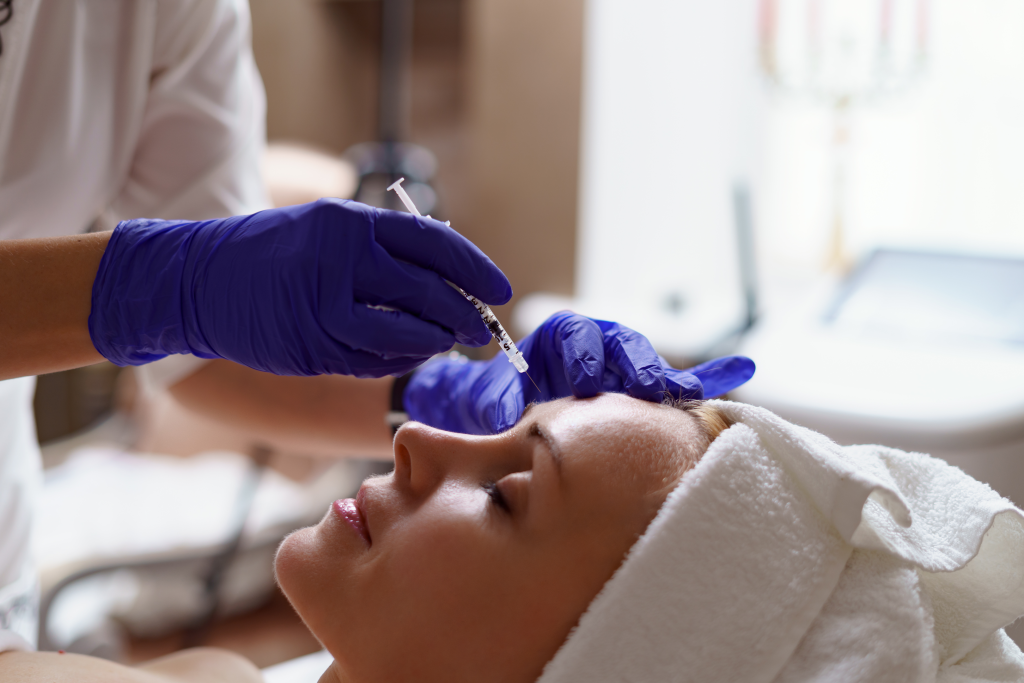
A young woman knowing the side effects of getting Botox

How long does Botox Last?

How long does Botox Last? How long does Botox Last? First, let me give you a brief introduction, Botox is a well-known cosmetic treatment that helps reduce wrinkles and restore a youthful look. In this blog post, we explore how long Botox lasts, answering the common question: How long does Botox last? By understanding the factors that affect the duration of Botox results, you can better understand what to expect and plan your treatments accordingly. What is Botox and how does it reduce wrinkles? Botox is a special substance made from bacteria. It is injected into certain muscles in the face. When it’s there, it stops the muscles from moving too much. This makes the wrinkles and lines caused by moving muscles look smoother and less noticeable. Areas where Botox is commonly used Botox is mostly used on the parts of the face that often have wrinkles and lines. Somecommon places include: forehead: Botox can make the lines on the forehead look smoother. glabellar region: It can help with the lines between the eyebrows that make an“11” shape. crow’s feet: These are the lines that come out from the corners of the eyes. Bunny lines: These are the lines that appear on the nose when you scrunch yourface. lip lines: Botox can make the lines above the upper lip look softer. Purpose of Botox in reducing wrinkles and lines The main goal of using Botox is to make the muscles that cause wrinkles relax for a little while. This helps make existing wrinkles smoother and stops new ones from forming. Botox makes the face look younger and smoother by softening lines and giving a more refreshed appearance. Botox and it’s Metabolism and individual differences: metabolism and Botox breakdown Our metabolism is like a process that happens inside our bodies to break down substances. It can influence how quickly Botox is broken down and processed in our system. People with a faster metabolism may find that Botox wears off more quickly because their bodies break it down faster. On the other hand, those with a slower metabolism may experience Botox effects lasting a bit longer. individual variations and duration of results Each person’s body is unique, just like how each of you is different from your classmates. These differences can also impact how long Botox lasts for each individual. Factors such as age, overall health, and genetics play a role. Some people may naturally have longer-lasting results because of their individual characteristics, while others may notice that Botox wears off more quickly for them. Dosage and injection technique: Dosage and Botox duration The amount used in a treatment can have an impact on how long botox lasts and its effects. When a larger amount of Botox is used, the results may last longer. Conversely, a smaller amount of Botox may result in shorter-lasting effects. The dosage is determined by a skilled injector who carefully considers individual needs and desired outcomes. Importance of a skilled injector and proper technique The person who performs the Botox injections, known as the injector, plays a vital role in achieving optimal results. A skilled injector understands the correct technique for administering Botox. Proper injection technique ensures that the Botox reaches the intended muscles and provides the desired effects. This contributes to the longevity of Botox results. Treatment area and muscle activity: Injection location and Botox duration Different areas of the face require specific injection sites. Depending on the treatment area, such as the forehead or around the eyes, the duration of Botox results can vary. Some areas may experience longer-lasting effects compared to others. Muscle activity and strength Muscle activity and strength also play a role in how long Botox lasts. Muscles that are more active and stronger may metabolize Botox more quickly, leading to shorter-lasting results. Conversely, muscles with less activity and strength may prolong the duration of Botox effects. Lifestyle and habits: Lifestyle factors and Botox duration Certain lifestyle choices, such as smoking and excessive sun exposure, can affect how long Botox lasts. Smoking can contribute to the breakdown of Botox, potentially shortening its duration. Similarly, excessive exposure to the sun’s harmful rays can impact the longevity of Botox effects. importance of a healthy lifestyle Maintaining a healthy lifestyle is essential for optimizing the results of Botox. Eating a balanced diet, staying hydrated, and practicing sun protection can help preserve the effects of Botox treatments. Leading a healthy lifestyle can support longer-lasting results and overall skin health. Average Duration of Botox Results: General timeline for Botox effects On average, the effects of Botox can last anywhere between three to six months. This means that after receiving a Botox treatment, you can expect to enjoy smoother, less noticeable wrinkles for several months. However, it’s important to remember that individual experiences may vary. Variations in duration based on the treatment area The duration of Botox results can differ depending on the specific area being treated.For instance: In the forehead area, Botox effects typically last around three to four months. When targeting crow’s feet, the effects can last between three to four months as well. treating frown lines between the eyebrows usually provides results for aboutthree to four months. Follow-up treatments for maintenance To maintain the desired results, follow-up treatments are often necessary. Since Botox effects are temporary, it’s important to schedule regular appointments with your qualified practitioner. They will help determine the appropriate timing for your follow-up treatments to keep your desired look intact. Maximizing Botox Longevity: Expert tips for longevity ● Avoid rubbing or touching the treated areas immediately after the procedure.● Keep your facial muscles relaxed for a few hours following the treatment.● stay hydrated by drinking plenty of water.● follow a healthy lifestyle, including a balanced diet and regular exercise, tosupport overall skin health. Post-treatment care After receiving Botox, it’s important to follow certain aftercare instructions to optimize the results. This may include: ● avoiding strenuous physical activities and exercise for at least 24 hours.● refraining from lying down flat or bending

How long does Botox Last? Read More »

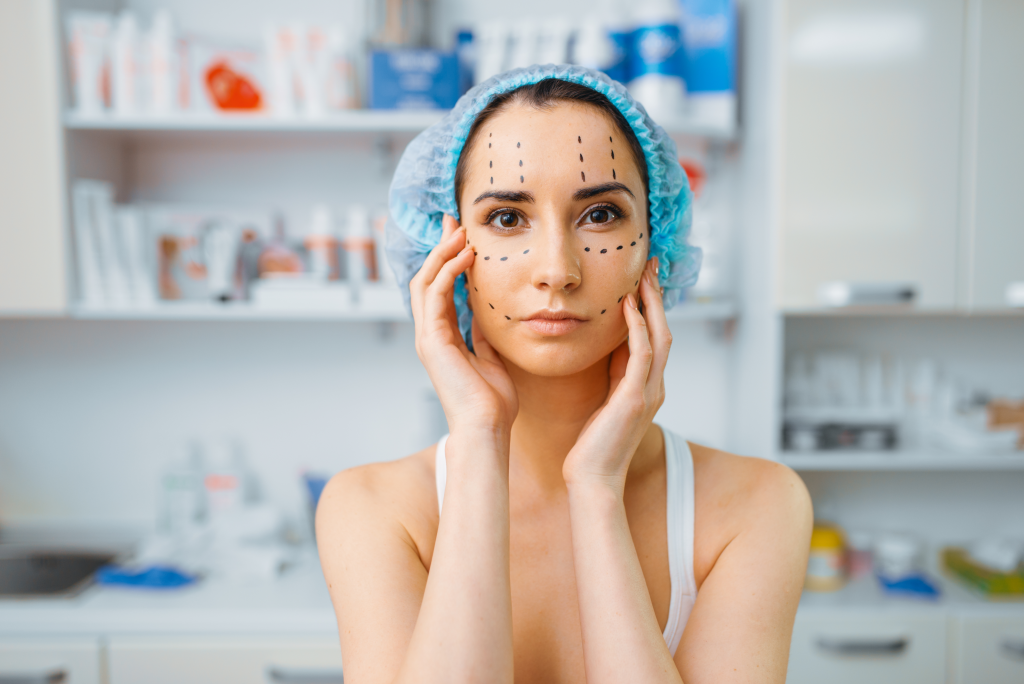
A young woman getting her facial treatment to revive skin

Botox vs Dysport: What’s The Difference?

How Long Does Dysport Last Botox vs Dysport: What’s The Difference? Wrinkles are a natural sign of aging. As we age, we lose collagen and elasticity in our skin. This can be exacerbated by habits like smoking or over-exposure to the sun. Facial expressions such as frowning, squinting, and even smiling can make wrinkles seem more pronounced. If you want to look as young as you feel, there are options for eliminating or drastically reducing wrinkles and fine lines. Two of the most popular are injectables like Botox and Dysport. So what’s the difference?. What are injectables? Drinking plenty of water and a good skin care regimen can keep your skin looking youthful for longer, but time has a way of marching on despite our best efforts. Injectables are an excellent, non-surgical way to smooth out wrinkles like laugh lines or lines in the forehead. Some can even bring more volume to part of our face. These injectables can reduce the signs of wrinkles and even help contour parts of the body. At Viso Juve, we are fortunate to have Cheri Morales, ARPN-BC, who is a Master Injector and a National Injectable Trainer. There are two categories of injectable treatments, neuromodulators and soft tissue fillers. Neuromodulators help reduce fine lines that result over time from facial movements like smiling. Soft-tissue fillers, on the other hand, help increase volume that can be lost with age in areas like the cheeks, lips, chin, and forehead. Both Dysport and Botox are neuromodulators that give you a refreshened look with reduced facial lines for months at a time. Why Does Everyone Want a Neuromodulator? The aesthetic field continues to progress and find new ways to obtain the best, non-invasive results. When a neuromodulator is injected into the muscle, it not only relaxes facial muscles, but it can also be placed in opposing muscles for a “lifting” effect. For instance, if the lines between the eyes are injected, the lateral brows can be lifted. Additionally, there are many facial differences that can be helped with Dysport and/or Botox. Gummy smiles, irregular muscle pulling around the mouth, correcting facial deformities from Bell’s Palsy, or other neurological medical conditions are just a few benefits that people can expect from this treatment. What is Botox? Both Dysport and Botox are produced from bacterium clostridium botulinum, also known as Botulinum Type A. When used in controlled amounts in clinical setting, they block the nerve signals that the face sends to the brain by reducing the muscles’ ability to move and contract as freely as before treatment. Botox was approved for cosmetic use in the U.S. in 2002. What is Dysport? Due to Botox’s success, other companies also entered the injectables space. Dysport appeared in Europe soon after Botox was launched, and is now used in over 60 countries. In 2009, the FDA approved Dysport for use in the United States. Since then, it’s been proven to be an effective, non-invasive treatment for wrinkles, and fine lines that can be equally as effective as Botox. Dysport is growing in favorability. How are Dysport and Botox seemingly the same but different? At first glance, there seems to be no real difference between the two. Both contain the same active ingredient (Botulinum Type A) and can reduce the appearance of wrinkles. According to an article written in JAMA Dermatology in 2007, research concluded that Dysport proved to have a longer lasting effect on muscle movement in the forehead then Botox. There are also differences in the size of vials of product. Botox comes in a 100u vial and Dysport in a 300u vial. That being said, the calculation of the dose in units are different. At Viso Juve, we charge $13 a unit for Botox and $5 a unit for Dysport injections. If only one area of the face is being treated, the cost is relatively the same. However, treating multiple areas of the face, the cost will be less with Dysport. Is Dysport better for one area of the face than another? The answer to that question is it all depends on how Botox & Dysport are diluted. Botox vs Dysport differs in terms of its molecular behavior and diffusion. If you dilute each with the same amount of fluid, the results are similar. However, if you want greater dispersion of the product for larger areas like the forehead, having a more dilute product might be best. This allows it to spread faster, especially over a larger surface area, with just a few injections. So the differences really come down to the way each injectable is applied by your injector. At Viso Juvé, both Botox and Dysport are highly concentrated for exact placement of the product. Who is a good candidate for Botox or Dysport? Both Botox and Dysport are FDA approved. Both have been studied and FDA for men and women ages 18 to 65. What makes you a good candidate for Botox or Dysport treatments? You should have mild to severe facial wrinkles that have not responded well to dermatologist-recommended skin care techniques. Your moderate wrinkles should be in positions that both Dysport or Botox can help like around the lips, cheeks, eyes, chin, and forehead. You should be in relatively good health without any preexisting skin or medical conditions. If you’re allergic to Botulinum Type A, are pregnant or breastfeeding or have existing skin allergies, Botox or Dysport might not be right for you. Be sure to let your practitioner know in advance if you have any of these conditions. Are there any differences with the procedures when it comes to botox vs dysport? The process for administering the two treatments of Dysport and Botox are exactly the same. After an assessment of your face and a discussion about your medical history, your practitioner will create a treatment plan. It’s not uncommon for patients receive injections during their lunch break and return to work immediately since the procedures take less than 30 minutes. Compared to invasive procedures, injectables have shorter recovery period

Botox vs Dysport: What’s The Difference? Read More »

A lovely woman loves taking good care of her skin

What Are Sculptra Injections

What Are Sculptra Injections? Activate the power of your own skin to minimize fine lines and wrinkles. Natural collagen is the most common protein in the body and the first line of defense against fine lines and wrinkles. Yet, as we age, our body produces less of it, and our skin responds by losing its youthful appearance. In fact, by the age of 45, you lose up to 25 percent of the collagen our bodies naturally produce. Sculptra Aesthetic is a revolutionary collagen stimulator that activates the skin’s natural regenerative process to gradually and subtly restore facial volume. What exactly is Sculptra? Sculptra treatment is an FDA-approved injectible that helps gradually replace and stimulate collagen production for facial rejuvenation. It is a poly-L-lactic acid (PLLA) collagen stimulator that helps restore the deep, underlying structure of your skin to diminish smile lines, wrinkles, and other facial folds. Sculptra is a substance that was long used in dissolvable surgical stitches. As the stitches faded, it would encourage collagen production in the skin and speed healing time. How long do Sculptra injections last? In a recent clinical study, people who had a treatment regimen of three injections over the course of three to four months saw gradual effects that lasted up to two years. (insert: and for some longer)The skin care professionals at Viso Juve can help determine the best treatment sessions needed for the results you seek. What Is Sculptra Used For? (ADD) Sculptra is used in the face for an overall “liquid facelift”, replenishing lost collagen, lost volume, and support. Because it is rebuilding collagen, the is an improvement seen in the texture of the skin. It is also used for acne scarring on the face. Sculptra is very versatile, it is great for wrinkles and crepy skin and commonly injected on the arms and legs, chest, and abdomen. It is also a popular product to build volume in the buttocks, better known as a non-surgical BBL (brazillian butt lift). Is Sculptra better than dermal fillers? The answer to that depends upon what you’re trying to achieve. Because Sculptra stimulates collagen production via multiple injections instead of simply adding volume or fullness, it’s a more natural solution to the effects of the aging process. It takes time for Sculptra to take effect, so you should begin seeing results in 6 weeks. Sculptra treatments are spaced every 6-8 weeks until fully correction has been reached.while dermal fillers’ effects and other cosmetic procedures are noticeable right away, but typically lasts none to thirteen months. Is pain involved with Sculptra injections? Sculptra is injected with either needles and/or cannulas. A topical anesthetic is applied prior to the injections. It is also mixed with lidocaine, so the pain or is minimal as the area continues to be injected. What does Sculptra do to your face? Collagen production in the body decreases as you get older and/or are exposed to the sun. Wrinkles are one of the first visible signs of this. Sculptra is injected into the deep layer of the skin where collagen naturally exists and is made. Sculptra works by the microparticles stimulate the replacement of lost collagen. Over the next few months, collagen production begins and the skin’s structure rebuilds. Better yet, you can resume normal activities immediately following a Sculptra aesthetic treatment.  How long do Sculptra fillers last? In U.S.-based study, 233 patients received treatment with either Sculptra or a control to help generate safety and effectiveness data. The patients received four visits at three-week intervals, and were followed for 13 months after the study concluded. Results showed that Scupltra has effects lasting up to 25 months in some participating in the study. How painful are Sculptra injections? The injections are relatively painless, but some patients do report side effects such as swelling, redness, tenderness, and minimal bruising of the injection site. Most patients have very little lingering effects or injection site reactions. Where does Sculptra get injected? Like most dermal injections, the most common areas where Sculptra is injected is in the deep dermis on the face. Volume restoration helps minimize fine lines, wrinkles, and folds around the chin, cheeks, and temples.  What is the downside of Sculptra? Several side effects, although rare to occur have been linked to Sculptra injectable treatment, including scarring, skin discoloration, nodules, lumps and granulomas. Most common side effects are bruising at the site of injection, swelling, and tenderness. How does Sculptra compare to plastic surgery? Sculptra is not. Once you reach full correction, yearly treatments of 2 vials are recommended, so collagen production continues. However, short of plastic surgery, the Poly-L-lactic acid facial filler is actually one of the longest-lasting options on the market. The acid-based fillers involve fewer sessions all at once, but their results last only up to a year, so you will be heading back to your cosmetic specialist’s office more frequently for maintenance visits to preserve youthful contours in your face. Who is not a good candidate for Sculptra? Sculptra treatment is best when administered to those with healthy immune systems. Sculptra should not be used by those who are allergic to any ingredient of Sculptra, including poly-L-lactic acid, carboxymethylcellulose, and nonpyrogenic mannitol. Sculptra should not be injected while there is an infection or inflammation in the treatment area. Sculptra should not be used if a patient has had or has risks for hypertrophic scarring or keloid formation. Tell your provider if you have an active skin infection or inflammation (i.e., cysts, pimples, rash or hives), or problems with hearing located close to the treatment site. Patients who have coagulation defects or are using blood thinners or anticoagulants such as aspirin, warfarin, or Plavix may be at a greater risk of hematoma formation, bleeding or bruising at the injection site. NSAIDs may also increase the risk for bleeding/bruising. How much does a syringe of Sculptra cost? Sculptra is typically $900 per vial. Knowing you begin with two vials, then repeat two more vials in six weeks, the treatment is $3,600. A good rule of

What Are Sculptra Injections Read More »

Metricool Tracking
Become a
Viso Juve logo

VIP

Join Viso Juvé VIP today and receive a fantastic welcome gift – a FREE reward awaits new members!

February Specials

Get The Perfect Pout
$200 off lip filler
Free lip flip (dysport)
Plus a FREE Lip Treatment Duo ($274 savings)

Hydrafacial Deluxe
$50 off
Free Lip Perk
Plus get a FREE Lip Treatment Duo ($124 savings)

Dysport
Buy 30 units or more, get 30 units FREE ($150 savings)

Dermal Fillers
Buy 2 syringes of any Restylane, get one FREE
($800 savings)

Skin Care
Spend $200 or more in skincare, get a FREE Alastin Hydratint ($64 savings)